Photo Boosters · by Simfle Stick Co., Ltd
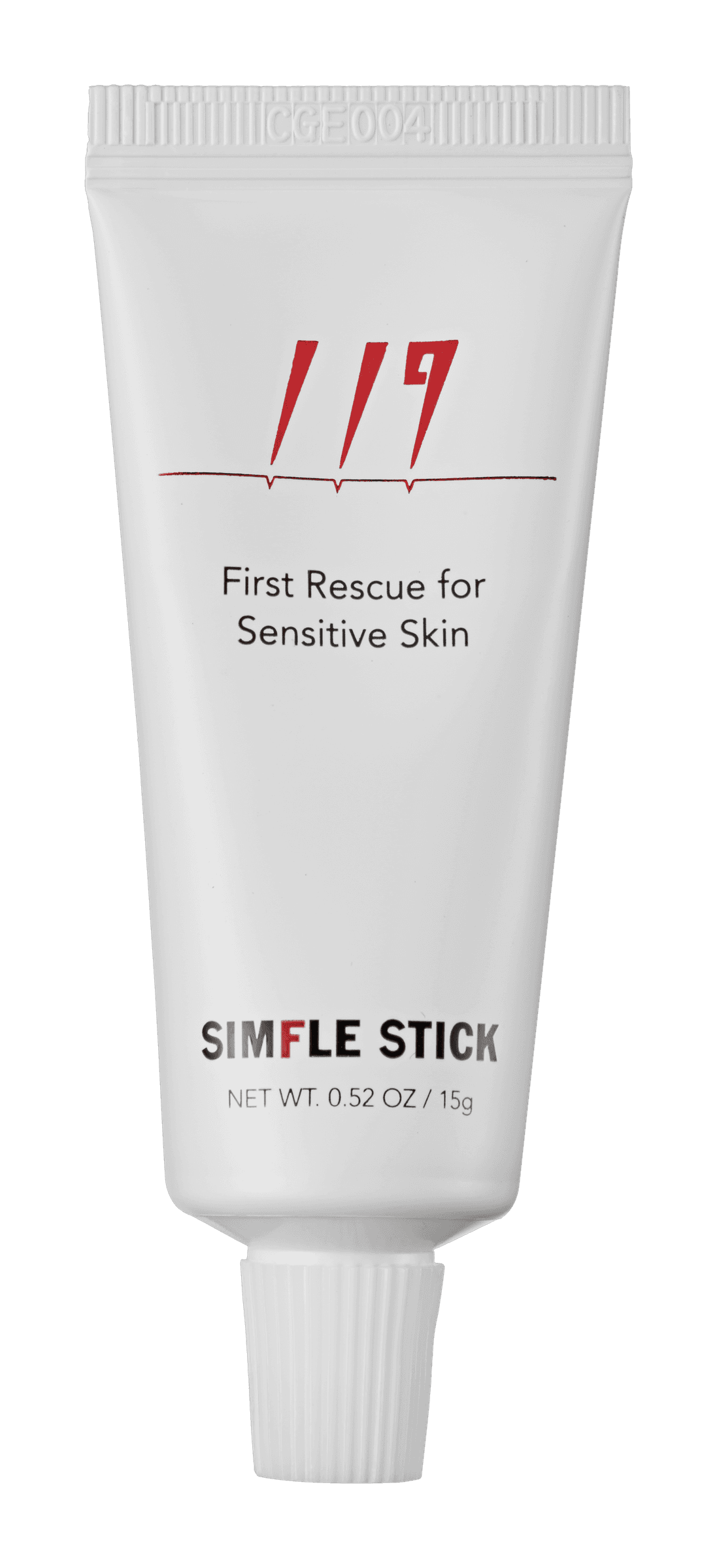
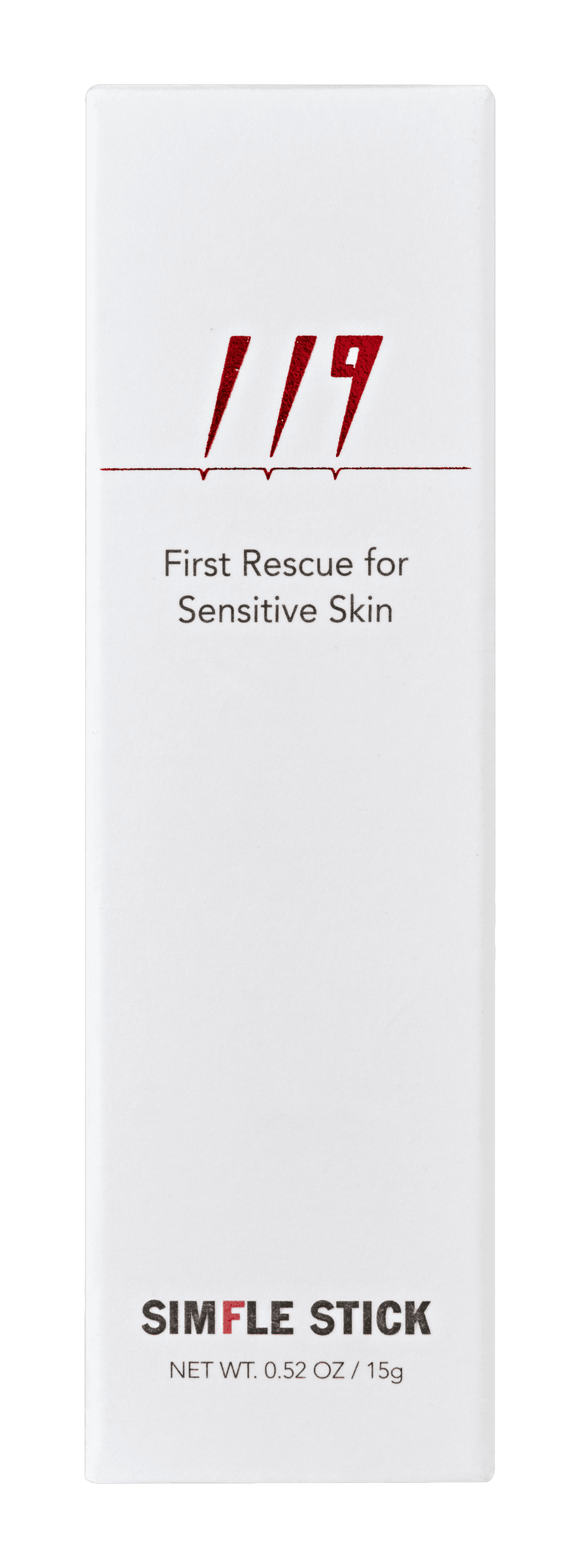
119
A temporary marker for vascular lasers
- Niacin and capsaicin bring faded vessels back into view
- Used alongside pulsed dye, KTP and other vascular lasers
- Redness appears in 10–20 minutes and fades within two hours
Request a quote
- Protocol training included
- Supplied by Regenesis
About
Vascular lasers target haemoglobin, but flushing fades during the procedure and anaesthetic cream constricts the vessels — the target the operator is aiming at disappears. 119 is a cream of niacin and capsaicin applied for twenty minutes before the laser: it induces a temporary, visible redness that marks the erythema and microscopic capillaries, so the laser hits the vessel and not the healthy skin around it.
Treatment possibilities
Indications from the manufacturer's documentation. Each links to the treatment page.
How to use
119 in the treatment room, step by step.
- 01
Cleanse
Cleanse the area.
- 02
Apply
Apply 0.5–1 g to the erythema or telangiectasia and leave it for 20 minutes. Tingling is normal. Do not leave it on longer than 30 minutes.
- 03
Wipe and treat
Wipe off with a tissue. Use the laser's erythema mode and reduce the standard output by 10–20 % according to skin sensitivity.
- 04
Afterwards
The redness subsides within one to two hours; a soothing pack and sunscreen follow. Course: three sessions at one-month intervals.
Apply · 20 minRedness peaksLaserFades · 1–2 h
Detailed information
Technology, indications and specifications as documented by Simfle Stick Co., Ltd.
- How the marker works
- Niacin triggers prostaglandin-mediated flushing; capsaicin acts on TRPV1 receptors to dilate the vessels. Together they make capillaries of around 10 µm — invisible to the naked eye — show as a red field for the duration of the treatment.
- Why a marker
- Redness blurs or disappears during the procedure, anaesthetic cream constricts vessels, and small capillaries cannot be seen. A visible target lets the operator work precisely and, according to the manufacturer, at lower output.
- Lasers
- Pulsed dye laser, KTP, IPL and other vascular lasers. The manufacturer's reference parameters are those of its own test devices.
- Actives (as stated)
- Niacin and capsaicin
- Used alongside
- Pulsed dye laser, KTP and other vascular lasers
- Application
- 0.5–1 g, 20 minutes, wipe off (not more than 30 minutes)
- Onset / duration of redness
- 10–20 minutes / fades within 1–2 hours
- Laser output
- Reduce the standard setting by 10–20 % (manufacturer)
- Course
- 3 sessions, 1 month apart
- Tube
- 15 g
- Manufacturer
- Simfle Stick Co., Ltd, Daegu, South Korea
Cautions
- Not on wounded skin
- Reduce the amount or duration if the reaction is strong; flushing may not appear in every patient
- Excessive use can cause pain or inflammation
Publications
119 itself appears in one published case report. The 2012 study below used a different niacin cream and supports the marker approach in general.
- Menopausal facial erythema and flushing successfully treated with broadband light and botulinum toxin: a case report — Medical Lasers, 2023doi:10.25289/ML.23.041
- Background: Topical niacin cream-assisted 595-nm pulsed-dye laser treatment for facial flushing: retrospective analysis of 25 Korean patients — Journal of the European Academy of Dermatology and Venereology, 2012doi:10.1111/j.1468-3083.2011.04006.x
Talk to us